

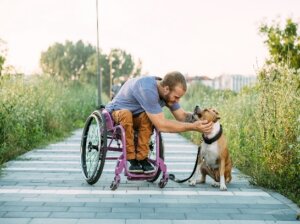
What is Veterinary Social Work?
The relationship between humans and animals has been studied for centuries. Animals shape our world in countless ways. They provide the food we eat, help sustain the environment we depend on, entertain us, help us with tasks, and for many of us, become beloved members of our families. Because these relationships are so deeply woven into our everyday lives, they also bring many unique emotional, social, and ethical challenges. Veterinary Social Work seeks to support the people navigating these challenges, recognizing that our relationships with animals can profoundly influence our emotional well-being and overall quality of life.
There are four key components of Veterinary Social Work:
1. Intentional Well-Being
Those who work in animal-related professions are at an increased risk of experiencing compassion fatigue due to the emotional demands of caring for animals and repeated exposure to trauma, suffering, and death. Compassion fatigue can contribute to significant emotional, physical, and psychological distress and exhaustion. Many individuals enter animal-related professions because of their deep love for animals and their desire to help them. The difficult realities of animal welfare require professionals to witness loss, pain, and suffering on a consistent basis.
Prolonged exposure to these experiences, combined with the need to provide highly empathetic care, can lead to compassion fatigue. This risk increases when individuals lack social support and opportunities and strategies for intentional self-care and maintaining healthy emotional boundaries.
 Veterinary Social Work recognizes this risk and seeks to implement a proactive approach in supporting the people who care for animals. This includes creating healthy and supportive work environments and equipping professionals with the knowledge and skills to provide compassionate care while balancing their own well-being. Intentional well-being is especially important in animal welfare settings, where systemic challenges and ethical dilemmas may create tension between professional responsibilities and personal values, contributing to moral injury and emotional distress.
2. Animal-Assisted Interventions
Domesticated animals can be trained and certified for incorporation into activities designed for therapeutic gains and development for humans. Some examples of this may include:
- Canine-Assisted Therapy
- Equine-Assisted Therapy
- Therapy dog visitations (schools, nursing homes, hospitals)
- Animal-Assisted Education
Interaction with animals has been associated with the release of bonding-related hormones and neurochemicals, as well as reductions in stress hormones, which may contribute to improved social engagement, increased empathy, emotional regulation, and stress reduction.
3. The Link Between Human and Animal Violence
Research has shown a link between animal cruelty and human violence. Awareness of this connection is important for those in healthcare, counseling, social services, and criminal justice fields, as patterns of animal cruelty may provide important insight into broader patterns of violence and safety concerns.
4. Animal-Related Grief and Bereavement People with pets or those who work with animals will inevitably encounter loss. With that loss comes grief that is profound and often unrecognized by society. Many view pets as family members, and the grief associated with losing a pet can feel as intense as losing a human loved one. Animal-related professionals who facilitate euthanasia and provide medical care to animals may experience compounding grief, as they are repeatedly exposed to loss while supporting a client through their grief. Disenfranchised grief is common following pet loss, as this type of loss is often viewed as less significant and may be minimized or dismissed by others.
The Human-Animal Relationship
How we view animals is often shaped by the lens through which we experience the world. This lens is influenced by our upbringing, culture, values, and personal experiences. For some, animals are companions who provide comfort, connection, and unconditional love. For others, experiences involving animals may be associated with trauma, evoking feelings of fear, grief, or distrust. Animals can also be viewed as a source of nutrition, livelihood, and income. Our perspectives may also shift depending on the species, as animals can hold distinct meanings and serve various roles within our lives. These differences illustrate how deeply personal and multifaceted our connections with animals can be. There is something deeply grounding, and even spiritual, about witnessing an animal move through the world without speaking a single word. In their presence, we are reminded of the value of being present, trusting our instincts, and embracing change. Animals offer a kind of wisdom that is quiet, yet endless.
 Veterinary Social Work recognizes that caring for animals must also include caring for the people connected to them. Whether someone is navigating compassion fatigue, grief and loss, or the impact of animal-related trauma, there is value in taking time to check in with yourself and recognize what you may need. This may mean strengthening social support, making time for restorative self-care, setting healthier boundaries, or seeking support from a therapist. Caring for yourself is not a sign that you are doing less for others; it is an important part of sustaining the capacity to continue caring with compassion.