
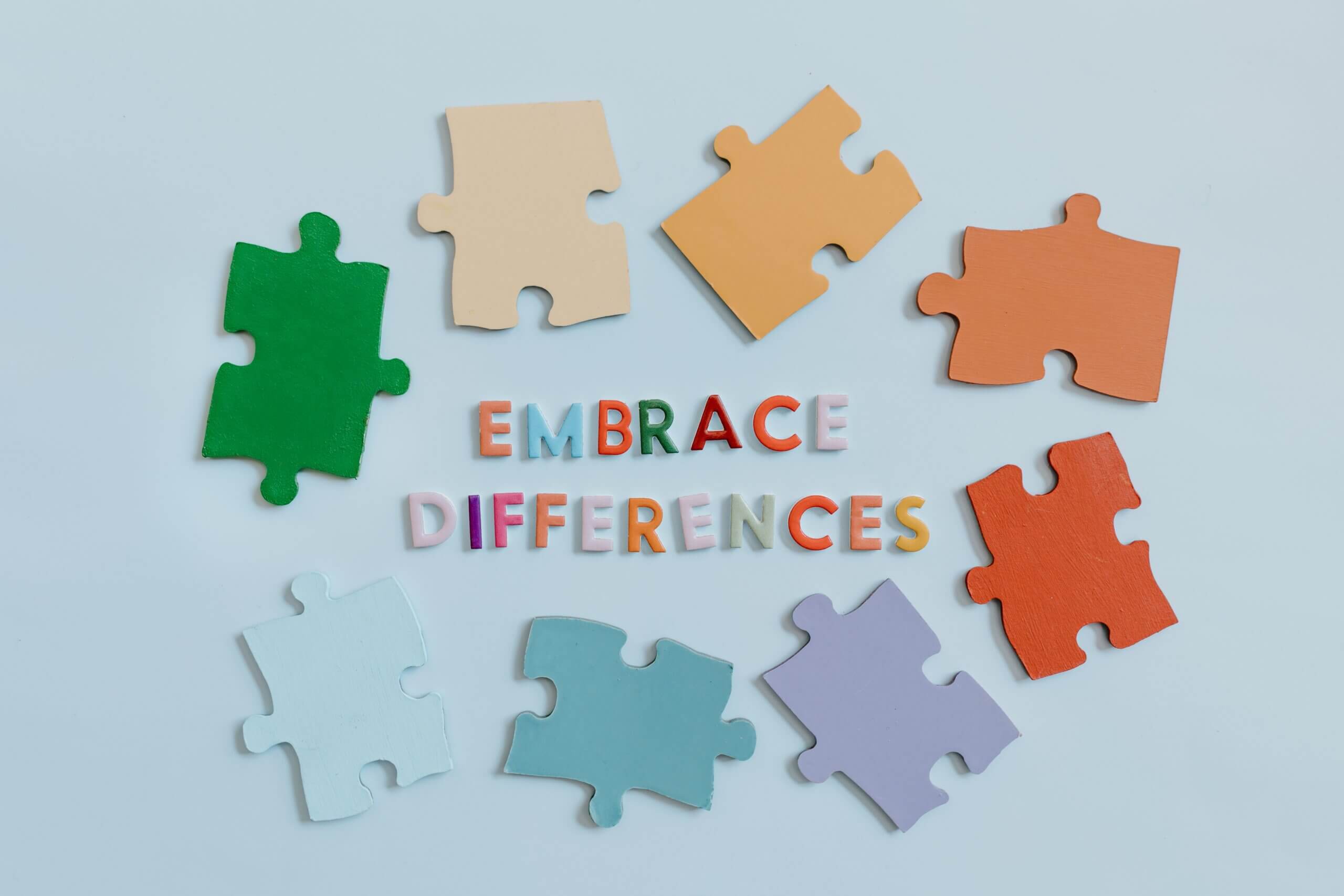
Have you ever felt like your brain works differently from everyone else’s? Perhaps you’ve noticed that you process information in unique ways, experience the world more intensely, or thrive in environments that others find challenging. If so, you are not alone. Neurodivergence is not a flaw or something that needs to be “fixed.” It reflects the natural diversity of the human brain. Every person has a unique way of thinking, learning, communicating, and interacting with the world. Understanding neurodivergence can be the first step toward self-acceptance, self-advocacy, and living a life that honors who you are.
What Does It Mean to Be Neurodivergent?
The term neurodivergent describes people whose brains function differently from what is considered neurologically typical. It is an umbrella term that includes conditions such as Autism Spectrum Disorder (ASD), Attention-Deficit/Hyperactivity Disorder (ADHD), dyslexia, dyscalculia, dyspraxia, Tourette syndrome, and other neurological differences. Being neurodivergent does not mean something is wrong with you. It simply means your brain processes information differently. These differences influence how you think, solve problems, communicate, regulate emotions, and experience your surroundings.
Recognizing Your Strengths
Too often, conversations about neurodivergence focus on challenges while overlooking the many strengths neurodivergent individuals possess.
Many neurodivergent people demonstrate remarkable abilities, including:
- Creative and innovative thinking
- Strong attention to detail
- Deep passion for areas of interest
- Excellent problem-solving skills
- Honesty and authenticity
- High levels of empathy and compassion
- Unique perspectives that inspire creativity and innovation
Your differences are part of what makes you who you are. They can become powerful strengths when recognized and supported.
Understanding the Challenges
Living in a world designed primarily for neurotypical individuals can be exhausting. Many neurodivergent people spend years trying to fit into environments that do not meet their needs.
Common challenges may include:
- Sensory sensitivities to lights, sounds, textures, or crowds
- Difficulties with organization, planning, and time management
- Emotional regulation challenges
- Anxiety or depression
- Social communication differences
- Feeling overwhelmed by change or uncertainty
- Burnout from masking or hiding natural behaviors to fit in
These experiences are often not caused solely by neurodivergence itself but by navigating environments that lack understanding and appropriate accommodations.
The Emotional Impact of Masking
Many neurodivergent individuals learn to “mask” their differences by suppressing natural behaviors or mimicking others in an effort to fit in socially or professionally. While masking may help someone avoid judgment in the short term, it often comes at a significant emotional cost. Long-term masking can contribute to chronic stress, anxiety, depression, exhaustion, and a diminished sense of identity. Learning to embrace your authentic self can be an important part of healing.
How Therapy Can Help
Therapy should never focus on changing who you are. Instead, neurodiversity-affirming therapy recognizes your unique strengths while helping you navigate challenges in ways that align with your values and goals.
A supportive therapist can help you:
- Better understand your neurodivergent identity
- Build self-confidence and self-acceptance
- Develop practical strategies for executive functioning
- Manage anxiety, stress, and emotional overwhelm
- Improve communication and relationships
- Recover from burnout
- Strengthen self-advocacy skills
- Create routines that support your well-being
The goal is not to become someone else. The goal is to help you thrive as the person you already are.
Supporting Neurodivergent Loved Ones
If someone you love is neurodivergent, one of the greatest gifts you can offer is understanding. Support begins by listening without judgment, respecting individual differences, and recognizing that there is no single “right” way to think, learn, or communicate. Small changes, such as offering flexibility, reducing sensory overload, using clear communication, or respecting personal boundaries can make a meaningful difference. Acceptance creates opportunities for confidence, growth, and authentic connection.
Embracing Your Unique Mind
Being neurodivergent is one aspect of who you are; it does not define your worth or your potential. Your unique way of thinking, learning, and experiencing the world has value. When you understand your strengths, acknowledge your challenges with compassion, and receive the right support, you can build a life that reflects your authentic self rather than someone else’s expectations.
At ZoeRVA Health, we believe that every mind deserves to be understood and respected. Our goal is to provide compassionate, neurodiversity-affirming care that empowers individuals to embrace their strengths, navigate life’s challenges, and flourish with confidence. If you or someone you love is seeking a supportive space to better understand neurodivergence, we are here to help. You don’t have to navigate the journey alone.