Hours of Operation Mon – Thu: 8AM – 6PM | Fri: 8AM – 4PM | Sat – Sun: Closed
Call or Text: (804) 303-9622
In case of emergency, call 911
Hours of Operation Mon – Thu: 8AM – 6PM | Fri: 8AM – 4PM | Sat – Sun: Closed
In case of emergency, call 911
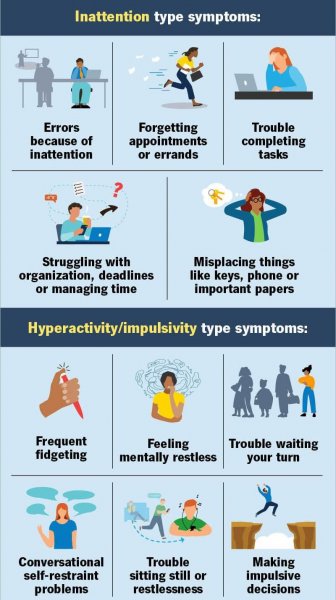
ADHD is a neurodevelopmental disorder that affects how you pay attention, control impulses, and manage activity levels.
Inattention
Hyperactivity-Impulsivity
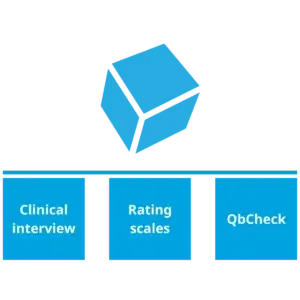
An assessment typically involves three main parts:
Therapists at Zoe can help teach practical skills and strategies to manage symptoms, improve daily functioning, and reduce the impact ADHD has on school, work, and relationships. Ways we can help:
Psychiatric nurse practitioners at Zoe can prescribe medications that improve the brain’s ability to regulate attention, impulse control, and activity levels. There is no cure for ADHD, but medications can reduce symptoms enough that it becomes easier to use the skills learned in therapy to stay organized, complete tasks, and function effectively at school, work, and home.
For many clients, the best results come from combining medication with psychotherapy. Medications can be effective in reducing ADHD symptoms (making it easier to focus and control impulses), while therapy teaches practical skills (such as planning, organization, emotional regulation, and problem-solving) that can help you manage life more effectively.
Click here to learn more about stimulant and non-stimulant ADHD medications.
Disclaimer: This content is provided for informational or educational purposes only. It is not intended to be a substitute for informed medical advice or care. You should not use this information to diagnose or treat any health issue without consulting your healthcare provider.
Sources:
We offer counseling and psychiatric medication management services that allow individuals to meet their mental health goals through clinical care that is respectful and collaborative.
Same-day access to mental health services is available at all Virginia CSBs
Suicide & Crisis Lifeline: Call or Text 988
MHAV’s Warm Line: 1 (866) 400-6428
Crisis Text Line: Text “HOME” to 741741
Zoe Therapy Services – Innslake
4191 Innslake Dr, Ste 211
Glen Allen, VA 23060
Zoe Therapy Services – Forest
7201 Glen Forest Dr, Ste 304
Richmond, VA 23226
Zoe Therapy Services – Southside
2808 Fox Chase Lane
Midlothian, VA 23112

Hours of Operation
Mon–Thu: 8AM–6PM | Fri: 8AM–4PM
Sat–Sun: Closed